How Steve Grasse's Brand Mysticism Principles Separate Survivors from Casualties in Market Correction
From The MAFFEO DRINKS Podcast: Steven Grasse reveals why the spirits apocalypse isn't punishing innovation but exposing which brands built foundations versus which ones rented favorable market conditions, and what atomic fusion actually means for survival.
Your craft distillery expanded to twelve states before mastering one. Your premium bourbon sits next to MGP white labels at identical price points. Your RTD launched into off-trade without consumer pull.
The apocalypse isn't coming. It's here. And it's revealing which brands built foundations versus which ones rented temporary market conditions.
The Patterns Burning Budget
COVID created artificial demand that convinced everyone they were marketing geniuses. Now interest rates climbed, investors stepped back, and cheap money evaporated.
Your craft distillery opened because local novelty attracted customers. The bearded guy with a still was interesting in 2015. In 2026, there's one in every town and most produce identical bourbon from the same suppliers.
You expanded to multiple states before owning your home market because growth metrics looked impressive on paper. Now you're bleeding capital in markets you can't properly support.
The premium whiskey your brand ambassador talks about passionately doesn't translate to sales because talking isn't the same as getting new accounts.
Major retailers want your brand, but without existing consumer pull that first shipment will sit on shelves, fail to turn, and poison future opportunities permanently.
Your celebrity-backed brand expects Casamigos outcomes when you're working with Aviation Gin budgets and neither the celebrity status nor the liquid quality to justify either comparison.
These aren't separate crises. They're the same pattern: building during favorable conditions without testing whether anything works when conditions normalize.
Listen to the episode :
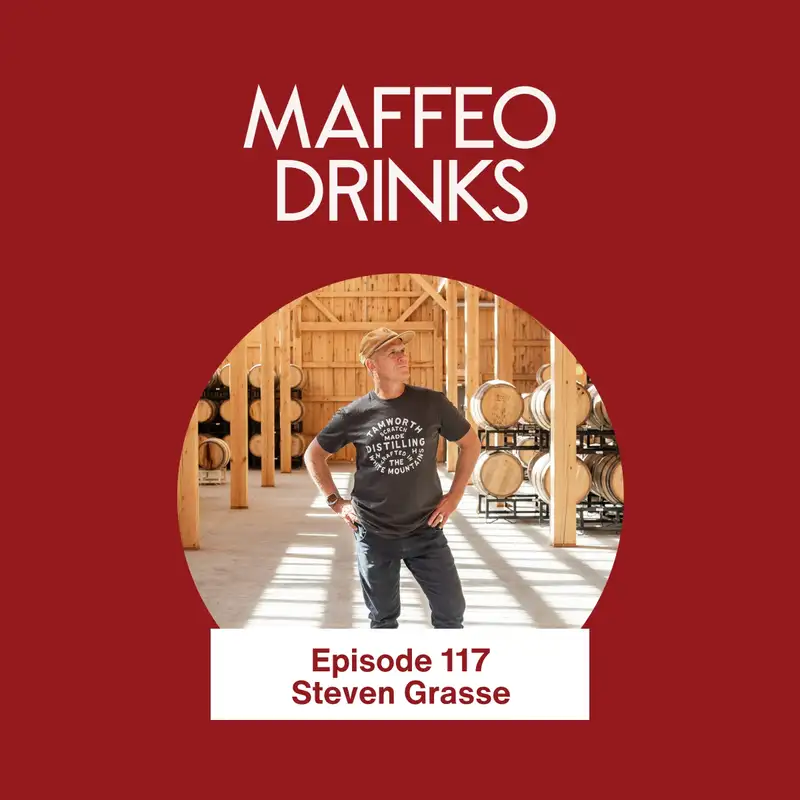
What Steven Grasse Reveals About Market Corrections
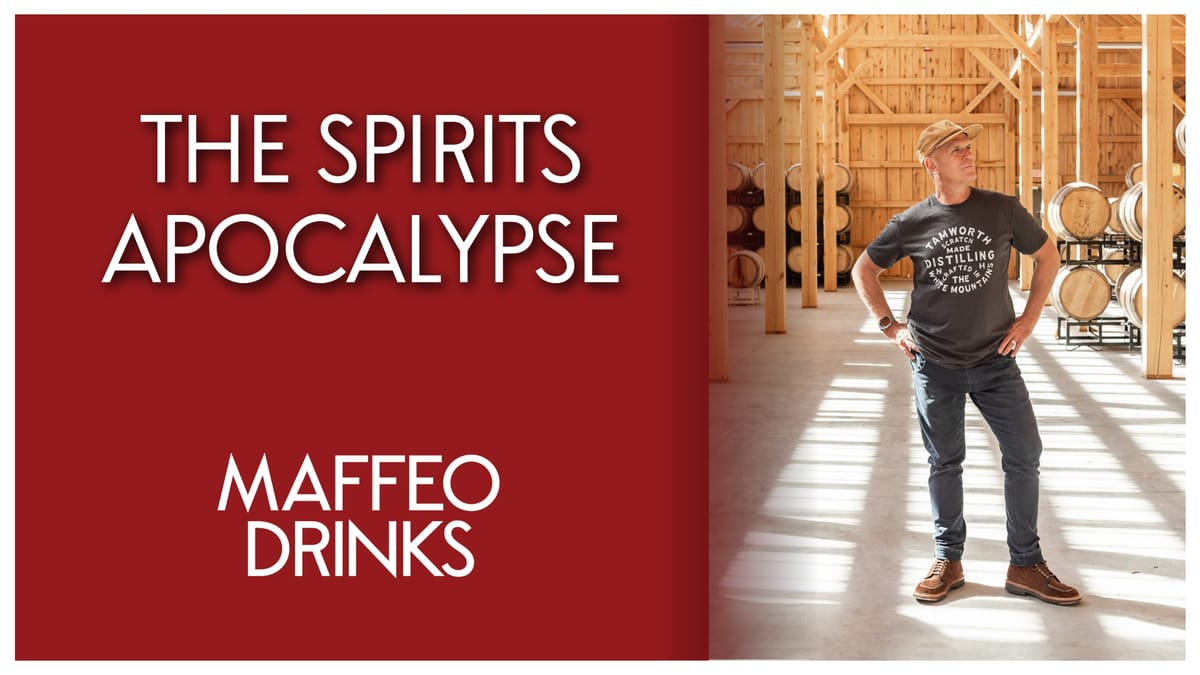
Steven Grasse built brands across Hendrick's Gin, created Sailor Jerry, and runs both Tamworth Distilling and Quaker City Mercantile. He's also watching the spirits industry face what he calls a total meltdown.
The current apocalypse combines structural shifts with cyclical correction. Overproduction created a glut of liquid. Consumer habits changed fundamentally. The novelty of craft distilling wore off completely.
Technology created expectations of instant results that don't match how brand building actually works.
This isn't unprecedented.
The industry went through similar consolidation in the seventies and eighties. The difference now: you also face THC products, no-alcohol movements, and generation shifts in drinking behavior happening simultaneously.
What survives corrections? Brands with what Steven calls atomic fusion. When all elements come together properly, the brand vibrates and that vibration creates attraction even when overall demand softens.
During boom times, foundation quality didn't matter as much because everything sold. When not everything sells, it matters exponentially more.
Why This Moral Exists
This isn't a recap of Steven's observations about market conditions. This is the gap between having favorable market conditions and building something that survives when conditions normalize.
The spirits apocalypse is a perfect storm, but perfect storms don't create the problem.
They reveal it.
Brands that expanded too quickly, hired without understanding sales fundamentals, built celebrity partnerships without substance, or copied formulas without differentiation all looked successful during the boom.
The correction isn't punishing innovation. It's punishing brands that mistook favorable conditions for validation.
This moral exists because understanding market corrections isn't about waiting for conditions to improve. It's about recognizing what actually creates lasting value versus what rents temporary circumstances.
Ready to understand what separates brands that survive corrections from brands that disappear during them? Discover how atomic fusion actually works, why new-to-world ideas beat acquisition strategies, how Tamworth Distilling built profitability through experimentation, what premium positioning requires when mass brands match your price, and why the craft playbook that worked in 2015 fails completely in 2026.

If the above resonates, it's because you live it every day.
Your stakeholders want numbers. Your team wants direction. Aligning the two? That's where everyone struggles.
I spend 51% of my time in the field. 49% in boardrooms. Both rooms talk to me because I understand what the other one is dealing with.
What follows are patterns from 1000+ practitioner conversations. Things people tell me they'd never say publicly. Principles to navigate your own reality. Not playbooks.
For drinks leadership, serious about seeing clearly. 👇🏻