You Can't Build a Brand Without Owning a Category. But You Can't Create a Category Before Recognizing One Bottom-up.
Categories form bottom-up at the bar level before brands recognize them. From MAFFEO DRINKS Podcast: How Aperol became the Spritz, Seedlip captured non-alcoholic sophistication, and why your liquid's natural characteristics determine which micro-category you belong in, not boardroom strategy.
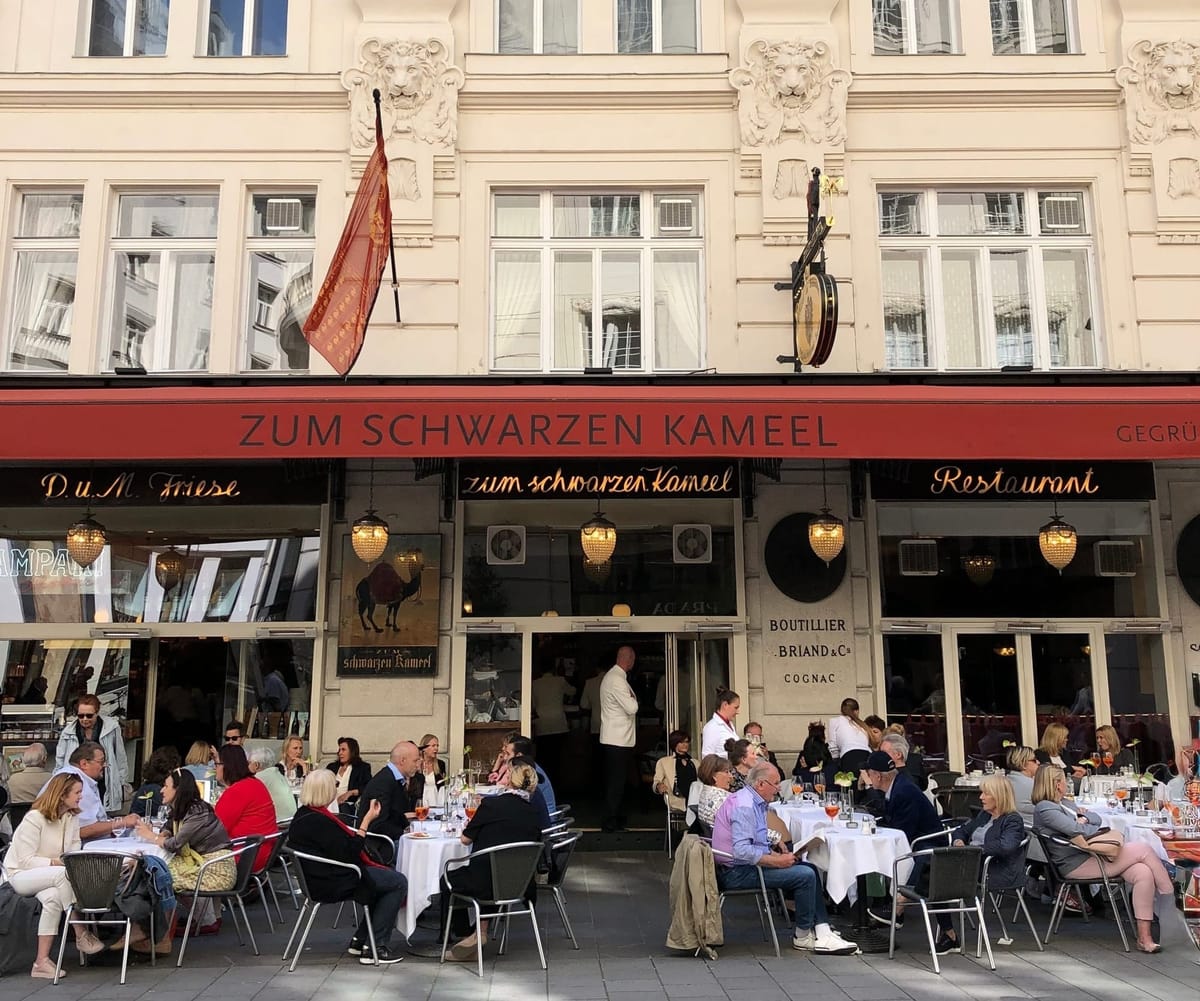
The Spritz category didn't exist 20 years ago. Now it's worth billions.
Aperol didn't create it. They recognized what bartenders and venues were already reaching for (something refreshing, playful, not too strong as an alternative to beer or wine during aperitivo) and became the household name for it.
Most drinks leaders agree: category building should come before brand building. You can't own a space if you don't define what that space is.
But some are skeptical.
"It's near impossible to intentionally create a category," they say. So they default back to brand building within existing categories.
Safer.
More predictable.
Less likely to fail.
Here's what both sides miss: The issue isn't category versus brand. It's top-down creation versus bottom-up recognition.
Categories work.
But only when you recognize them forming bottom-up at the bar level, not when you create them top-down from a boardroom.
Robert Simonson spent 18 months interviewing over 200 people who rebuilt the entire cocktail industry from zero. In 50 years, exactly TWO corporate-created cocktail innovations worked. Everything else failed despite massive budgets.
 Chris Maffeo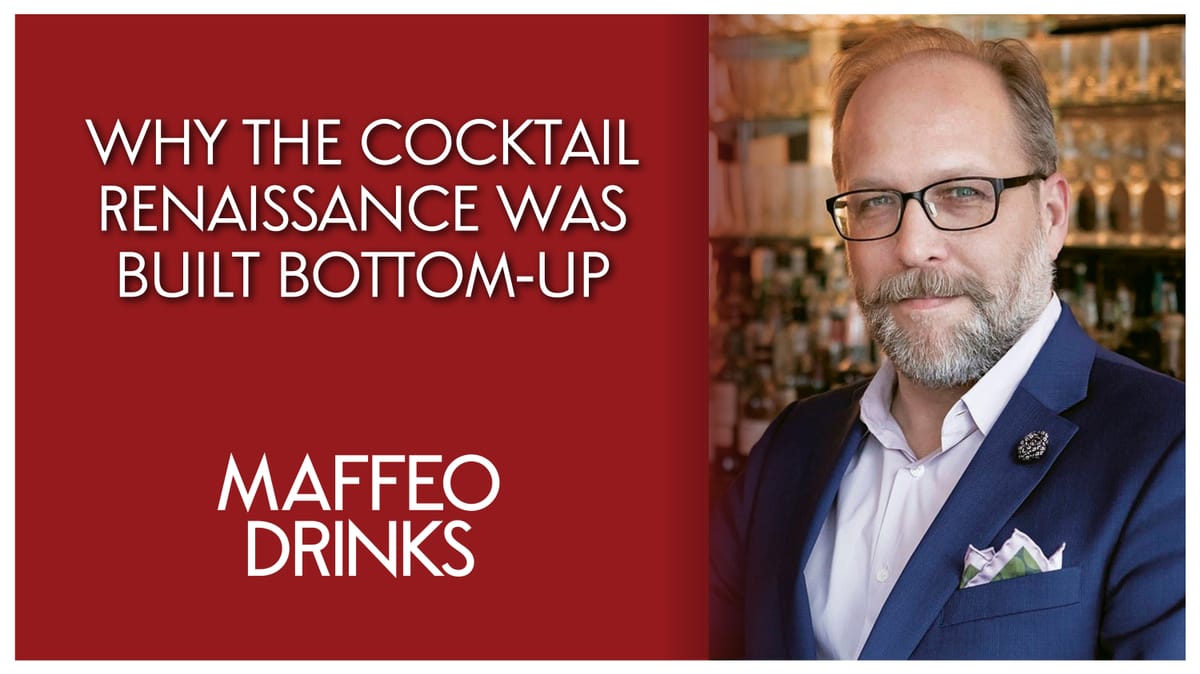
Meanwhile, hundreds of bottom-up innovations from the same period still create value decades later.
The difference isn't investment size.
It's sequence.
The skeptics are right about one thing: top-down category creation is nearOy impossible.
But they're wrong to abandon category building entirely.
Because bottom-up category recognition works.
You just have to understand what you're actually doing.
What Your Team Says vs. What Actually Works
Your team says: "We're building a new category around [premium/craft/artisanal] positioning."
Reality: Categories don't get built.
They get recognized.
Here's the nuance most teams miss: I'm not talking about creating categories. I'm talking about recognizing micro-categories that are already forming at the bar level (where bartenders and venues cluster around solving the same problem) and becoming the name for it before someone else does.
Try to ask your team how they identified the category opportunity.
If they say "market research showed a gap" or "consumer insights revealed demand," you have a problem.
If they say "bartenders across three markets are already solving this problem inconsistently and here's the evidence," keep listening.
But First: Know What Your Product Actually Is
Here's where most teams derail before they even start.

If the above resonates, it's because you're living it.
You understand local matters. But you're making expansion decisions based on distributor enthusiasm or market size, rather than systematically identifying cultural fit.
I've spent 20 years observing what works across 30+ markets, 100+ founder conversations, and weekly field validation. What follows are the three predictable mistakes and the systematic approach for avoiding them.
Paid content for Drinks Leaders serious about their work. 👇🏻